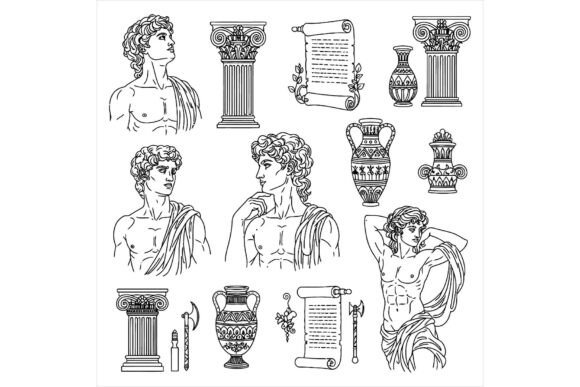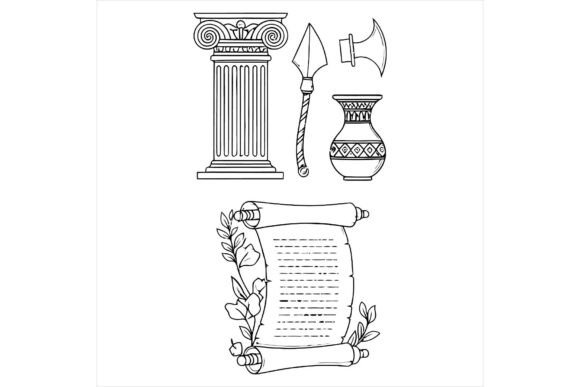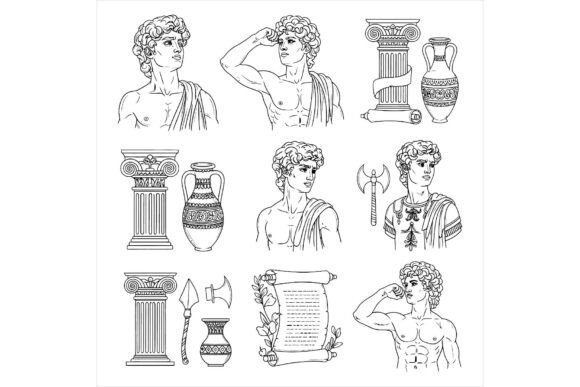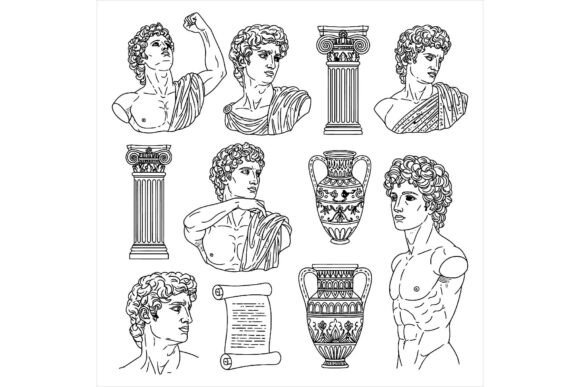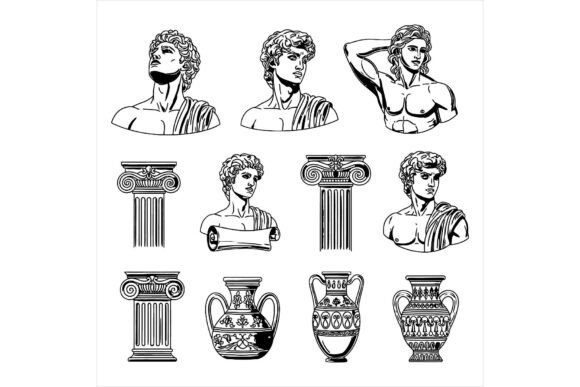
Ancient Greek Statues and Columns Illustrations
As a digital publisher who has spent years refining the visual language of content websites, I know that the difference between a casual blog post and a trusted editorial source often comes down to the quality of the graphics. When I first encountered the Ancient Greek Statues and Columns graphic design asset, my immediate reaction was one of recognition. This is not just another decorative clip; it is a sophisticated tool for establishing authority, elegance, and timeless appeal in web design. For bloggers and content creators aiming to elevate their brand identity, this collection of Illustrations offers a distinct aesthetic that bridges the gap between classical art and modern digital publishing.
The Editorial Mood and Visual Impact
The first impression of Ancient Greek Statues and Columns is one of structured beauty. The imagery evokes a sense of history, stability, and intellectual depth. Unlike playful or overly trendy graphics that date quickly, these assets feel permanent and professional. They create an editorial mood that is both artistic and educational, making them perfect for niches focused on philosophy, history, architecture, luxury travel, high-end lifestyle, or even financial advice where trust and longevity are paramount.
When integrated into a website header or a featured image, these Illustrations instantly signal to the reader that the content behind them is well-researched and curated. The clean lines of the columns and the stoic presence of the statues provide a strong visual hierarchy. They do not scream for attention like a chaotic stock photo; instead, they invite the reader in with a quiet confidence. This subtle power is crucial for building reader trust, as it suggests that the publisher values quality over quantity.
Real-World Publishing Applications
In my workflow, I constantly search for versatile design assets that can serve multiple purposes without losing their impact. Ancient Greek Statues and Columns excels in this regard. Here is how I envision using this asset across various publishing channels:
- Blog Featured Images: Using a column fragment or a statue profile as a background for article headers creates a stunning focal point. It allows headline text to pop while maintaining a cohesive look across different posts.
- Pinterest Pins and Social Media Graphics: These visuals are inherently shareable. A Pinterest pin featuring a classical column with a bold, serif headline about "Timeless Design Principles" or "The History of Democracy" will stand out in a feed dominated by flat colors and generic photos.
- Digital Guides and Lead Magnets: For online educators and affiliate marketers creating downloadable resources, this asset makes for an elegant eBook cover or worksheet border. It elevates a simple PDF into a premium-looking digital product.
- Newsletter Headers: Consistency is key in email marketing. Using these Illustrations in newsletter banners reinforces your brand identity every time a subscriber opens their inbox.
- Canva Templates and Printables: Small business owners can use these elements to create media kits, event invitations, or printable wall art that feels bespoke rather than mass-produced.
Enhancing Content Performance and Branding
The true value of Ancient Greek Statues and Columns lies in its ability to improve content performance metrics. A stronger first impression leads to better click-through rates. When a user sees a polished, professional-looking thumbnail, they are more likely to engage. This asset helps achieve a consistent branding strategy, ensuring that every piece of content, from social media posts to long-form articles, feels part of the same family.
Furthermore, the visual clarity provided by these Illustrations supports better readability. In web design, clutter is the enemy of conversion. These graphics offer enough detail to be interesting but remain clean enough to allow text to breathe. This balance is essential for improving reader trust and reducing bounce rates. Whether you are running affiliate marketing campaigns or promoting your own digital downloads, a professional visual identity is non-negotiable.
Ideal Use Cases for Maximum Impact
To get the most out of this creative design asset, it should be deployed strategically. It works exceptionally well in hero images where you need to set the tone immediately. As category thumbnails on a blog sidebar, they help users recognize sections related to history, culture, or education at a glance. They are also fantastic for editorial accents within long-form content, breaking up walls of text with a touch of sophistication.
For those creating content upgrades or downloadable printables, these Illustrations add a layer of polish that justifies a higher perceived value. If you are designing a lead magnet for a high-ticket coaching program or a luxury brand, the classical aesthetic aligns perfectly with themes of wisdom and exclusivity.
Strategic Considerations and Limitations
While Ancient Greek Statues and Columns is a powerful tool, it requires careful application. It may not be the best fit for small mobile thumbnails if the details become too intricate or blurry upon scaling down. Always test how the asset looks on a smartphone screen before committing to it for your entire site. Additionally, avoid using it in text-heavy blog images where the complexity of the statue might compete with the message.
It is also important to consider contrast. Placing light-colored marble textures against a white background can result in poor visibility. Similarly, busy layouts might overwhelm the delicate details of the columns. While the style is professional, it may feel out of place in strictly corporate or tech-focused environments that demand a hyper-minimalist, futuristic look. Know your audience and ensure the classical vibe matches your niche.
Practical Publisher Notes for Implementation
Before integrating this graphic design asset into your live site, follow these practical steps to ensure optimal performance:
- Test Across Devices: Preview the asset on desktop, tablet, and mobile to ensure scalability.
- Check Thumbnail Readability: See how the image holds up when shrunk to a 150x150 pixel size.
- Font Pairing: Experiment with different typography. These Illustrations pair beautifully with classic serif fonts for an academic look, or sleek sans-serif fonts for a modern twist. Avoid overly decorative script fonts that might clash with the structural nature of the columns.
- Contrast and Color: Test the asset in black and white to see if the silhouette remains effective. Ensure there is enough contrast between the image and your background color.
- File Optimization: Review the file size. Compress images properly to maintain web performance without sacrificing quality. Slow-loading graphics hurt SEO and user experience.
- Licensing Verification: Confirm the commercial license terms. Ensure you have the right to use the asset on monetized websites, affiliate pages, and paid content products like eBooks or courses.
By following these guidelines, you can leverage Ancient Greek Statues and Columns to create a digital presence that is not only visually stunning but also functionally superior. In the competitive world of content marketing, having access to high-quality, versatile Illustrations from a trusted creative marketplace is a significant advantage. This asset proves that sometimes, looking back at history is the best way to move forward with your digital brand.