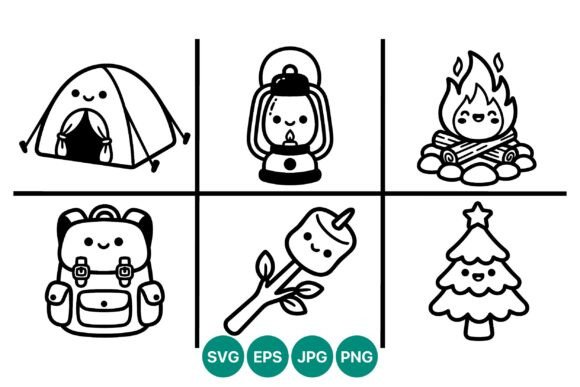
Review: Cute Camping Tent Lantern Campfire Tree Design
As a designer who spends half my life staring at digitized paths and the other half pulling bobbins out of jammed machines, I have learned to look past the pretty preview images. When I first loaded the Cute Camping Tent Lantern Campfire Tree file into my software, I was not just looking for a cute graphic. I was looking for stitch logic, density management, and commercial viability. This design falls under the category of Illustrations, but in the world of machine embroidery, it needs to function as a durable, clean, and appealing asset for real-world products.
First Impressions and Visual Mood
The immediate vibe of this design is cozy nostalgia. It captures that specific feeling of a quiet evening in the woods without relying on overly complex shading that often turns into a mess of thread breaks. The composition balances the triangular structure of the tent with the organic roundness of the lantern and the flickering shape of the campfire. From a design perspective, the inclusion of the tree anchors the scene, preventing it from feeling like floating clipart. For embroidery designers, this balance is crucial. It means the design has a natural center of gravity, which helps when hooping and stabilizing.
The visual personality is playful yet refined. It does not scream "childish," which makes it versatile. It feels appropriate for a baby onesie, but it also holds its own on a grown-up’s canvas tote or a flannel shirt. This versatility is what separates a hobbyist doodle from a viable digital embroidery file for small business owners.
Real-World Application: The Tote Bag Test
To truly evaluate Cute Camping Tent Lantern Campfire Tree, I imagined it on a heavy-weight cotton canvas tote bag. This is a staple product for any Etsy seller or craft fair vendor. On canvas, the texture of the fabric can fight against fine details. However, because this design relies on bold shapes rather than microscopic intricacies, it performs well. The tent’s outline would likely benefit from a solid satin stitch border to define the edges against the woven background, while the interior could use a lighter fill stitch to keep the fabric from puckering.
I also considered this design for a custom sweatshirt. Here, the stretch of the fleece becomes a factor. If the stitch density is too high, the garment will pull and distort around the chest area. A well-digitized version of this camping scene should use underlay stitches effectively to stabilize the fabric before the top stitching begins. If you are producing custom apparel, testing this on scrap fabric identical to your final product is non-negotiable. You need to see how the lantern’s glow interacts with the pile of the fleece.
Navigating Fabric and Hoop Constraints
Not every surface is forgiving. When using this design on thin fabrics, such as a kitchen towel or a lightweight t-shirt, the risk of show-through is real. Dark thread colors on light fabric are generally safe, but if you are attempting a subtle, tonal look, you must check your backing. A cut-away stabilizer might be overkill for a tee, but a tear-away could leave residue or fail to support the weight of the thread colors used in the tree foliage.
Curved surfaces present another challenge. Embroidering this on a cap requires careful placement. The brim curve can distort the straight lines of the tent poles. In this scenario, you might need to scale down the design to fit a smaller hoop size, ensuring the campfire and lantern remain legible. If the design includes tiny text or intricate branches, those elements may merge into a blob when stitched on a curved, textured baseball cap. Always inspect the smallest details in your software’s zoom function before hitting start.
Commercial Value and Brand Consistency
For craft business owners, consistency is key. This design fits seamlessly into a broader outdoor or nature-themed collection. It pairs well with other design assets like mountains, hiking boots, or pinecones. Using a cohesive style across your small shop product line builds brand recognition. Customers who buy a personalized gift featuring this tent are likely to return for matching items, such as an embroidered patch for a backpack or a baby embroidery piece for a nursery.
The professional finish of the final product depends heavily on thread choice. A matte rayon or polyester thread will give a traditional look, while metallic threads could add a magical touch to the lantern or campfire flames. However, metallic threads are prone to breaking, so they should be used sparingly, perhaps only for the flame tips, while the rest of the design uses standard threads. This strategic use of materials elevates the perceived value of the finished product.
Practical Designer Notes
Before you list this as a commercial embroidery item or use it in client work, consider these technical checks:
- Check Stitch Density: Ensure the fill areas are not too dense, especially if stitching on stretchy fabrics. High density leads to puckering and needle breaks.
- Contrast Testing: View the design in black and white on your screen. If the tent disappears into the tree, you may need to adjust thread colors or add outlining stitches to separate elements.
- Licensing Verification: Always confirm the license terms. Can you sell physical items made with this file? Can you share the embroidery file itself? Most designers allow finished product sales but prohibit file redistribution.
- Scrap Fabric Trials: Never run a new design directly on a expensive garment. Test on similar fabric scraps to check for registration issues and thread tension.
- Hoop Selection: Choose the smallest hoop that comfortably fits the design to minimize stabilization issues and maximize machine speed.
Final Verdict for Makers
The Cute Camping Tent Lantern Campfire Tree is more than just a seasonal motif. It is a robust illustration that, when handled with proper technical care, can elevate a range of products from holiday embroidery gifts to everyday tote bag design staples. Its strength lies in its balanced composition and emotional appeal. For the handmade product creator, it offers a reliable way to connect with customers who love the outdoors. Just remember that the magic happens in the execution. Proper stabilizer, thoughtful thread selection, and rigorous testing will ensure that your embroidery project looks as good in hand as it does on the screen.
Whether you are creating a printable mockup for your online store or stitching a one-of-a-kind personalized gift, this design serves as a strong foundation. It invites creativity while respecting the mechanical limits of embroidery machines. Use it wisely, test it thoroughly, and let it bring a bit of woodland charm to your next creation.