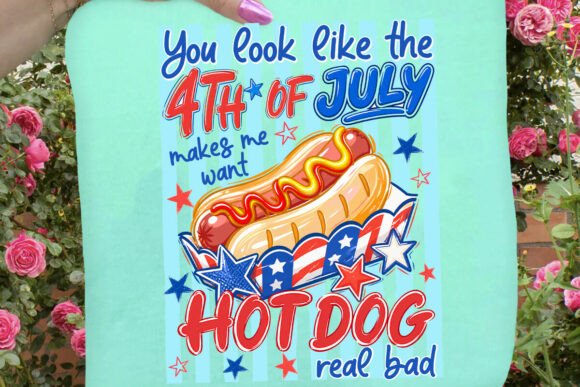
Review: You Look Like the 4th of July PNG for Stitchers
As a designer who has spent countless hours digitizing and testing files for real-world application, I approach every new asset with a critical eye. We are not just looking at pixels on a screen; we are visualizing thread on fabric. When I first opened the You Look Like the 4th of July PNG, my immediate reaction was one of cautious optimism. This is not merely a graphic; it is a potential centerpiece for a seasonal collection. However, translating a raster image into a tangible embroidery project requires more than just importing it into software. It demands an understanding of how these specific illustrative elements will behave under the needle.
First Impressions and Visual Mood
The design falls squarely into the category of Illustrations, which often presents unique challenges for machine embroidery. Unlike simple geometric logos or bold typography, illustrative pieces rely on shading, gradients, and organic lines. The mood here is playful, patriotic, and undeniably festive. It captures that specific summer nostalgia associated with Independence Day—fireworks, backyard barbecues, and red-white-and-blue aesthetics. For a craft business owner, this emotional connection is vital. Customers do not just buy a design; they buy the feeling it evokes. The layout appears balanced, suggesting it could work well as a central chest piece or a larger back print, provided the details are managed correctly during the digitizing process.
Real-World Application: The Custom Tote Test
To truly evaluate this asset, I imagined a specific scenario: preparing a batch of custom canvas tote bags for a local boutique’s July sale. Canvas is a forgiving medium, offering a stable surface for stitching. If I were to use the You Look Like the 4th of July PNG as a reference for creating a custom machine embroidery design, I would focus heavily on the contrast. The original PNG likely uses soft blends of color. In embroidery, we must translate those blends using thread colors and stitch types.
For a tote bag, I would recommend using a combination of satin stitch for bold outlines and fill stitch for larger colored areas. The key is maintaining the integrity of the illustration without creating a stiff, cardboard-like patch on the fabric. If the design includes fine details, such as small stars or intricate lettering, these must be simplified. A complex PNG does not always translate directly to a clean embroidery file. I would advise simplifying the smallest elements to ensure they do not get lost in the texture of the canvas weave.
Fabric Considerations and Technical Challenges
Not all fabrics behave like canvas. If you are planning to use this concept for sweatshirt embroidery or baby embroidery on soft knits, the approach changes drastically. Knits stretch. If the stitch density is too high, the garment will pucker, ruining the professional look of the finished product. For stretchy fabrics, I would suggest using an applique design technique. Instead of filling the entire shape with thread, you could cut fabric shapes that match the colors in the PNG and stitch them down with a narrow satin border. This reduces bulk and keeps the garment soft against the skin.
Dark fabrics present another hurdle. The You Look Like the 4th of July PNG likely features bright whites and light blues. On a navy or black shirt, these colors pop beautifully, but only if the underlying fabric does not show through. A proper stabilizer is non-negotiable here. I always recommend a cut-away stabilizer for garments that will be washed frequently, ensuring the design remains stable over time. Additionally, testing the design in a black-and-white mockup before stitching can reveal if there is enough contrast between the different elements of the illustration.
Commercial Viability for Etsy Sellers
For the Etsy seller or small shop product creator, timing is everything. Holiday items have a short shelf life. The advantage of a design like this is its versatility. It is not just for shirts. Imagine this motif on a tea towel, a decorative pillow cover, or even an embroidered patch that can be ironed onto denim jackets. Patches are particularly lucrative because they allow customers to customize their own items, increasing the perceived value of your design assets.
However, professionalism is key. Buyers on platforms like Etsy are increasingly discerning. They can spot a low-quality digitization from a mile away. If you are converting this PNG into a digital product yourself, ensure that the jump stitches are minimized and the thread paths are logical. A messy backside can lead to negative reviews, which hurt your brand consistency. Always check the licensing terms of the original PNG. If it is for personal use only, you cannot sell items made with it. If you are creating a digital embroidery file for others to use, you must ensure you have the commercial rights to the underlying illustration.
Practical Designer Notes
Before you commit to a full production run, follow these practical steps:
- Test on Scrap Fabric: Never stitch directly on your final garment. Use the same type of fabric and stabilizer you plan to use for the client order.
- Check Thread Contrast: Ensure the thread colors you select match the spirit of the PNG. Sometimes, swapping a pure white for a slightly off-white cream can reduce glare and look more premium.
- Review Stitch Density: High density looks rich but can cause puckering. Find the balance where the fabric coverage is solid but the material remains flexible.
- Confirm Hoop Size: Make sure the design fits comfortably within your machine’s hoop, leaving enough margin for the frame to grip the fabric securely.
- Inspect Small Details: Zoom in on the digitized version. Are tiny elements like star points or text serifs clear? If they look blobby, simplify them.
In conclusion, the You Look Like the 4th of July PNG offers a strong foundation for a festive collection. Its illustrative nature brings charm and personality to custom apparel and home decor. However, its success depends entirely on the skill of the digitizer and the preparation of the embroiderer. By respecting the limitations of the medium and choosing the right materials, you can transform a simple image into a high-value personalized gift or best-selling holiday embroidery item. Treat the design with care, test rigorously, and let the quality of your stitching speak for itself.